




 My Account


15% off 10+ cartons
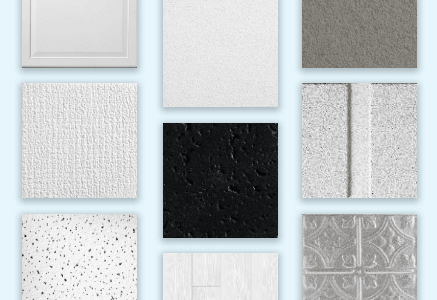
Suspended Ceiling Tiles
Suspended Ceiling Tiles
Sale!
Best Seller

- White
- Tech Black
- Adobe
- Grey Stone
- Ivory
- Light Grey
- Medium Taupe
- +1
Fine Fissured™
15% off 10+ cartons


Sale!
Best Seller

- Classic White
- Rustic Pine
- Painted White
- Driftwood Gray
- Beadboard
- Woven White
- Natural Maple
- Woven Charcoal Gray
- White Wash
- Weathered
- Coastal White
- +5


Sale!
Trending

- White
- Black
- Boxwood
- Feldspar
- Fossil
- Grey Stone
- Light Grey
- Lilac
- Mist
- Oat
- Rainstorm
- Sandstone
- Stone
- +7
Calla®
15% off 10+ cartons


SORT & FILTER
FILTERS


Suspended Ceilings
What is a suspended ceiling?
A suspended ceiling, also known as a drop ceiling or false ceiling, is a secondary ceiling installed below the main structural ceiling. It consists of a grid system of metal channels suspended from the overhead structure, into which ceiling panels or tiles are laid.
What are the main benefits of installing a suspended ceiling?
Suspended ceilings offer numerous benefits, including:
- Accessibility: They create a plenum space above the tiles, allowing easy access to electrical wiring, plumbing, HVAC ducts, and other utilities for maintenance or upgrades.
- Acoustics: Many suspended ceiling panels are designed to absorb sound, significantly improving acoustic performance within a space by reducing echo and noise transfer.
- Aesthetics: They can conceal unsightly structural elements, pipes, and ducts, providing a clean, modern, and finished look.
- Installation & Repair: They are generally quick to install and individual panels can be easily replaced if damaged, reducing repair costs.
What are suspended ceilings typically made of?
The main components are:
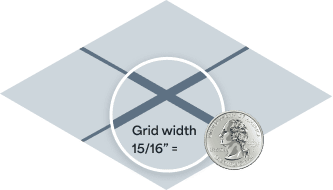
- Grid System: Typically made of lightweight metal, such as galvanized steel or aluminum, forming a T-bar grid.
- Ceiling Panels/Tiles: Can be made from various materials, including mineral fiber, fiberglass, gypsum, metal, wood, or even specialty materials for specific applications.
How do suspended ceilings improve acoustics?
Many suspended ceiling panels are specifically engineered with sound-absorbing materials (e.g., mineral fiber, fiberglass) and perforations to reduce noise levels. They achieve this by:
- Sound Absorption: Preventing sound waves from reflecting off hard surfaces.
- Sound Blocking (Attenuation): Limiting the transmission of sound between adjacent spaces.
- Noise Reduction Coefficient (NRC): Panels are rated with an NRC value, indicating their ability to absorb sound. A higher NRC means better absorption.
Can suspended ceilings be decorative?
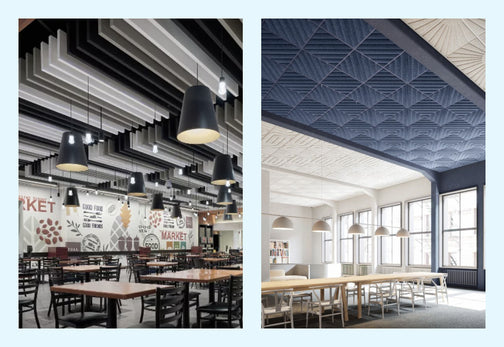
Absolutely. Beyond their functional benefits, modern suspended ceilings come in a vast array of textures, patterns, colors, and even custom designs. Materials like wood, metal, and specialty finishes can create unique aesthetic statements.
Are suspended ceilings difficult to install?
While the basic installation of a grid system can be straightforward, complex designs, integration with lighting and HVAC, and ensuring proper leveling often benefit from professional installation. Individual panel replacement is very simple.
How much does a suspended ceiling cost?
The cost of a suspended ceiling varies widely depending on several factors:
- Material of panels: Basic mineral fiber is less expensive than specialized acoustic, metal, or wood panels.
- Complexity of the grid system: Standard grid vs. specialty grid.
- Size of the area: Larger areas can sometimes have a lower per-square-foot cost.
- Additional features: Integrated lighting, soundproofing upgrades, etc.
Can I install lighting and other fixtures into a suspended ceiling?
Yes, suspended ceilings are designed to easily integrate various fixtures, including:
- Recessed lighting (troffers, LED panels)
- HVAC diffusers and vents
- Sprinkler heads
- Speakers
- Security cameras
What is the difference between a suspended ceiling and a drywall ceiling?
- Suspended Ceiling: Consists of a visible grid system and removable panels, offering easy access to utilities above. Excellent for acoustics and future modifications.
- Drywall Ceiling: A continuous, seamless surface, typically more rigid and permanent. Access to utilities above requires cutting into the drywall. Generally offers a more traditional, finished look.
 Thanks for subscribing!


 Buy 3, get 1 free


