





 My Account

Ceiling tile replacement costs in commercial buildings
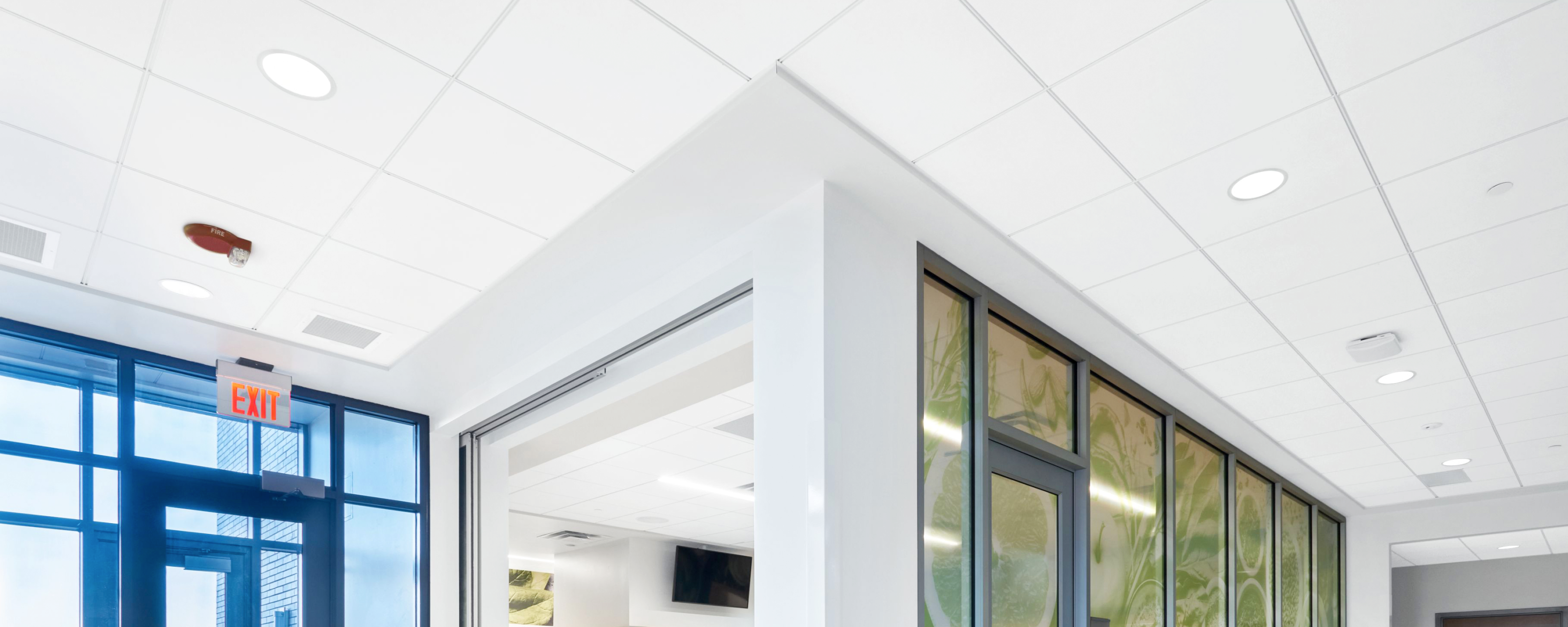
Facility managers are responsible for keeping operations running smoothly at all times. Delaying essential maintenance can increase compliance risks and drive up long-term costs. Replacing damaged ceiling tiles promptly helps improve energy efficiency, maintain safety standards, and minimize downtime.
With the right approach, ceiling updates don’t have to disrupt daily operations. Modern ceiling systems support compliance, reduce regulatory pressure, and enable more proactive facility management. By identifying issues early and planning ahead, you can avoid costly repairs and extend the lifespan of your space.
This guide outlines key cost factors, material options, and planning considerations to help you budget accurately and make informed decisions.
What does commercial ceiling tile replacement cost?
Costs vary depending on material type, ceiling grid condition, accessibility, and labor requirements. Understanding these variables is essential for accurate budgeting and project planning.
Kanopi by Armstrong helps simplify this process by providing high-quality ceiling tile solutions designed for efficiency, cost visibility, and long-term performance. Please note that installation services are not included.
Key factors that impact costs
Several elements influence the total cost of a ceiling tile replacement project:
Material selection
The type of tile you choose determines the baseline cost. Options include:
-
Mineral fiber (acoustic) tiles
-
Metal panels
-
Wood-look panels
-
PVC
Each material varies in price, durability, and performance.
Ceiling grid condition
If the existing grid is in good condition, replacing tiles alone is more affordable. However, damaged or outdated grids may require full replacement to meet safety and compliance standards.
Accessibility and ceiling height
Standard office ceilings are easier and less expensive to service. High ceilings or complex layouts may require lift equipment and additional labor, increasing costs.
Labor considerations
Labor rates vary by region and project complexity. Factors such as after-hours work, specialized crews, and installation difficulty can all impact pricing.
Removal and disposal
Removing old tiles adds time and cost. If mold, water damage, or hazardous materials are present, specialized handling may be required.
Replacement vs. full renovation
Choosing the right scope of work is critical:
Tile replacement
Best for isolated damage when the grid system is still intact. This is the fastest and most cost-effective option.
Full ceiling replacement
Includes both new tiles and a new grid system. This is common in older buildings or when structural issues are present.
Retrofitting
Upgrading to modern ceiling systems that integrate lighting and HVAC can improve energy efficiency and enhance the overall space.
Ceiling tile types

Mineral fiber (acoustic) ceiling tiles
These are the most widely used tiles in commercial environments. They provide effective sound absorption while remaining cost-efficient, making them ideal for offices, healthcare facilities, and educational spaces. They offer a strong balance of performance, affordability, and scalability.

Metal ceiling panels
Metal panels deliver a sleek, modern appearance and long-term durability. They are commonly used in retail or high-end commercial spaces and perform well in environments where moisture resistance is important.

Wood-look ceiling panels
These panels offer a premium aesthetic without the weight or maintenance of natural wood. They are typically more expensive but are ideal for spaces where design is a priority.

PVC ceiling tiles
PVC tiles are lightweight, moisture-resistant, and easy to clean, making them a practical choice for environments with higher humidity or strict sanitation requirements.
Signs it’s time to replace ceiling tiles

Look for these common indicators:
-
Water stains or sagging tiles
-
Mold growth
-
Cracks or visible damage
-
Discoloration
-
Poor acoustics
-
Outdated appearance
Addressing these issues early helps prevent larger, more expensive problems.
How long does replacement take?
Typical timelines vary based on facility size:
-
Small office spaces: about 1 day
-
Medium buildings: 2 to 4 days
-
Large commercial spaces: 1 to 2 weeks
Timelines can be affected by scheduling, material availability, and access requirements.
Ways to reduce costs
Strategic planning can help control expenses:
-
Replace only damaged sections when possible
-
Choose standard tile sizes
-
Schedule work alongside other renovations
-
Order materials in bulk to reduce unit costs
Benefits of replacing ceiling tiles

Upgrading your ceiling system provides immediate and long-term value:
-
Improved acoustics
-
Better light reflectance and reduced energy costs
-
Updated, modern appearance
-
Increased property value
-
Healthier indoor environment
DIY vs. hiring a contractor
DIY (for minor repairs):
-
Lower upfront cost
-
Suitable for small, isolated issues
Limitations:
-
Not practical for large commercial spaces
-
Safety risks for untrained staff
-
Potential to void product warranties
Professional contractors:
-
Faster, more efficient completion
-
Compliance with building codes
-
Proper system alignment for long-term performance
How to get an accurate quote
Providing detailed information helps avoid unexpected costs. Be prepared to share:
-
Total square footage
-
Desired tile type
-
Ceiling height and accessibility
-
Current grid condition
-
Extent of damage or presence of hazards
Accurate inputs lead to more reliable quotes and smoother project execution.
Final thoughts
Ceiling tile replacement is a key part of maintaining a safe, efficient, and compliant facility. With the right materials and planning, you can control costs while improving both performance and appearance.
Kanopi by Armstrong supports facility managers with reliable ceiling tile solutions designed for large-scale environments, helping you plan smarter and maintain better spaces.
 Thanks for subscribing!


 Buy 3, get 1 free


