





 My Account

What you need to know about PVC ceiling panels
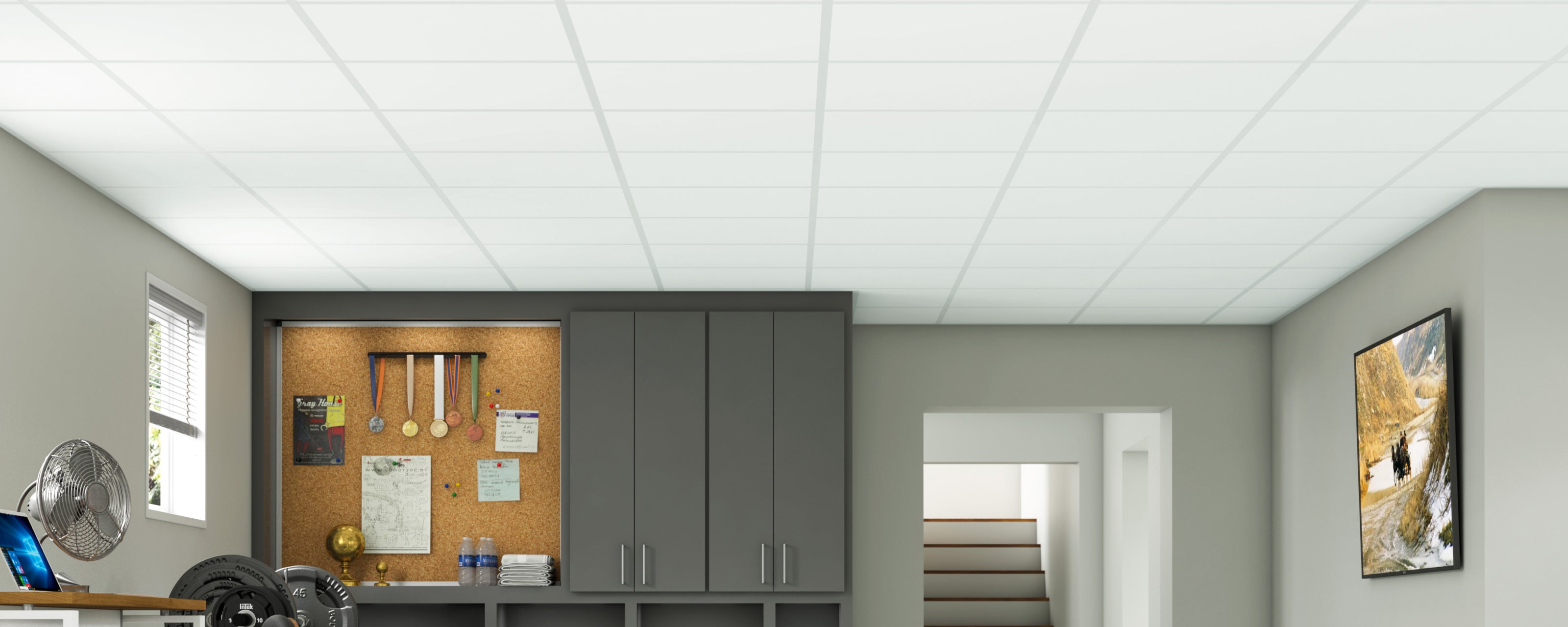
PVC ceiling panels are a popular choice for finishing residential ceilings, but why? PVC ceiling panels are more moisture-resistant and easy to clean, they fit in a standard grid or can be directly attached to the ceiling. They are rigid, making them more durable and easy to clean. PVC ceiling panels are available in multiple sizes and styles, making them a great option for residential interior design projects.
Main benefits of PVC ceiling panels
-
Affordable
-
Easy to install
-
Low maintenance
-
Fire rating: Class A residential use only
Common performance features of PVC ceiling panels
-
Superior Sag/Humidity Resistance
-
Light Reflectance
-
Cleanable
-
Spray Disinfectable
-
Wipe Disinfectable
-
Soil Resistance
-
Impact Resistance
-
Mold/Mildew Resistance
Best places to install PVC ceiling panels
Bathrooms and laundry rooms

Product pictured: EASY ELEGANCE Textured
PVC tiles are ideal for bathrooms and utility spaces like laundry rooms where traditional ceiling materials may deteriorate over time due to consistent exposure to moisture.
Kitchens

Product pictured: EASY ELEGANCE Deep Coffer
The ease of cleaning and resistance to mold or mildew make PVC tiles a practical choice for kitchens, especially near areas where grease and heat are common.
Basements

Product pictured: EASY ELEGANCE Shallow Coffer
Basements often experience dampness and PVC ceiling tiles offer a great solution to avoid mold and mildew buildup while adding a finished look.
Offices

Product pictured: EASY ELEGANCE Textured
Elevate the look of a drop ceiling with coffered PVC panels or tiles for a polished, professional look in your home office.
Garages or workshops

Product pictured: EASY ELEGANCE Plank
PVC ceiling tiles are great for environments where temperature and humidity may fluctuate.
Are PVC ceiling panels waterproof?
Yes, PVC ceiling panels are 100% waterproof. This makes them ideal for damp or humid environments like bathrooms, laundry rooms, and basements where traditional materials may warp or mold over time.
How do you install PVC ceiling panels?
PVC panels can be installed using a tongue-and-groove system. They are typically mounted on a wooden or metal frame using screws, clips, or adhesive, depending on the manufacturer’s recommendations. Many panels are designed for quick DIY installation.
Are PVC ceiling panels safe?
PVC panels are generally considered safe when used as intended. Reputable products meet fire safety and building code standards. However, low-quality panels may emit volatile organic compounds (VOCs), so it’s important to choose certified, low-emission products.
Do PVC ceiling panels reduce noise?
PVC panels offer limited sound insulation. While they can slightly reduce echo, they are not designed as acoustic panels. For better soundproofing, additional insulation materials should be used behind the panels.
Start planning your PVC ceiling design
PVC ceiling tiles are a practical, stylish, and versatile choice for many settings, especially where moisture or durability is a concern. Visit Kanopi by Armstrong’s PVC ceiling panel, tile and plank collection for products and design ideas.
If you are looking specifically for moisture-resistant ceiling tiles, shop here.
 Thanks for subscribing!


 Buy 3, get 1 free


